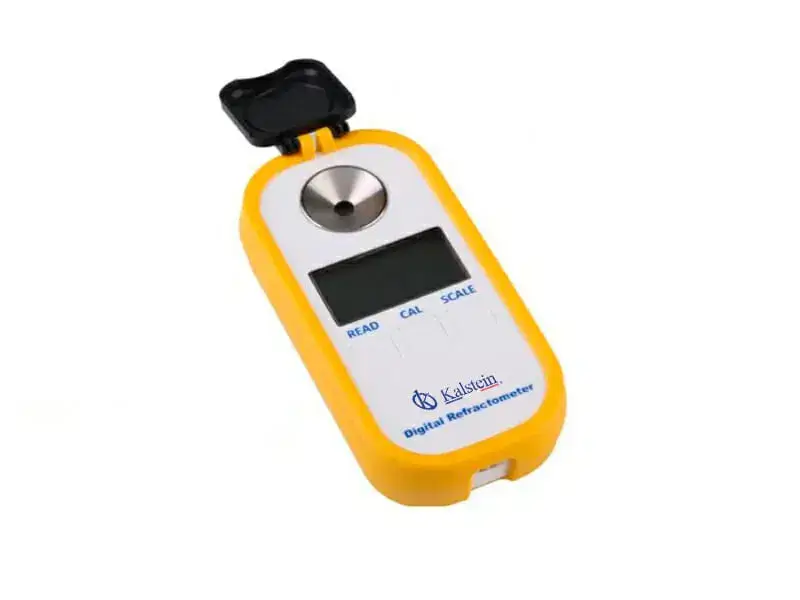
Comparative Analysis of Digital Salinity Refractometers: Key Differences and Considerations
Digital salinity refractometers are essential tools for laboratory professionals who need to measure the salinity of solutions accurately. This article provides a comparative analysis of various models in the subcategory of digital salinity refractometers, highlighting their unique features, applications, advantages, and limitations. This in-depth examination will guide laboratory professionals in making informed purchasing decisions based on their specific requirements.
Understanding Digital Salinity Refractometers
Digital salinity refractometers, such as the models YR05953, YR05954, YR05955, YR05956, YR05957, YR05958, YR05959, and YR05960, are widely used in laboratories, fisheries, aquaculture, and marine studies. These devices measure the salinity of various solutions by determining the refractive index, providing quick and accurate readings. Salinity measurement is crucial in numerous applications, including quality control in food production, environmental monitoring, and scientific research.
Comparison of Available Models
| Model | Measurement Range | Minimum Division | Accuracy | Temperature Compensation | Best For |
|---|---|---|---|---|---|
| YR05953 | 0.0 - 28.0% | 0.10% | ±0.1% | Automatic (0-40°C) | Low to medium salinity applications |
| YR05954 | 0 - 280‰ | 1‰ | ±1‰ | Automatic (0-40°C) | High salinity solutions |
| YR05955 | 1.000 - 1.217 | 0.001 | ±0.002 | Automatic (0-40°C) | Density measurements |
| YR05956 | 1.3330 - 1.3900 nD | 0.0001 nD | ±0.0003 nD | Automatic (0-40°C) | Refractive index determination |
| YR05957 | 0 - 100‰ | 1‰ | ±2‰ | Automatic (0-40°C) | Marine studies |
| YR05958 | 0 - 57‰ | 1‰ | ±2‰ | Automatic (0-40°C) | Salinity in freshwater |
| YR05959 | 1.000 - 1.070 | 0.001 | ±0.002 | Automatic (0-40°C) | Density analysis |
| YR05960 | 1.3330 - 1.3530 nD | 0.0001 nD | ±0.0003 nD | Automatic (0-40°C) | Laboratory research |
Technical Specifications and Applications
Each model is designed with specific applications in mind. For example, the YR05954 model is ideal for measuring high salinity solutions, making it suitable for applications in marine biology and aquaculture. Its measurement range, from 0 to 280‰, allows researchers to analyze saltwater samples effectively. In contrast, the YR05953 model, with a lower range of 0.0 to 28.0%, is more suitable for applications requiring lower salinity measurements, such as certain quality control tests in food production.
Understanding the temperature compensation feature is vital as well. All models discussed offer automatic temperature compensation (ATC) between 0 and 40°C, which eliminates the need for manual corrections and enhances measurement accuracy. For labs operating in varying temperature conditions, this feature is a significant benefit.
Common Mistakes and How to Avoid Them
When selecting a digital salinity refractometer, laboratory professionals often make several common mistakes. One typical error is not considering the specific application for which the device will be used. It is crucial to match the refractometer’s measurement range and accuracy to the expected samples. For example, using the YR05957 model for low salinity measurements may result in inaccurate data.
Another frequent mistake is overlooking the importance of calibration. Regular calibration is essential to maintain accuracy. Always refer to the manufacturer’s guidelines for calibration frequency and techniques. Not adhering to these standards can lead to erroneous readings and, ultimately, poor data integrity.
Choosing Between Digital Salinity Refractometers
When comparing digital salinity refractometers, consider factors such as measurement range, accuracy, and specific applications. Models like YR05954 and YR05957 serve distinct purposes with their varying ranges and precision levels. The selection process should be guided by the laboratory's specific requirements, including the types of solutions being analyzed and the precision needed for those analyses.
Frequently Asked Questions
How do I choose the right digital salinity refractometer for my lab's needs?
To choose the right digital salinity refractometer, consider the measurement range and accuracy required for your specific applications. For instance, if working with seawater, the YR05954 model, which measures salinity up to 280‰, would be appropriate. Ensure that the device also features automatic temperature compensation for better accuracy in varying conditions.
What is the price range for quality digital salinity refractometers?
The price range for quality digital salinity refractometers typically falls between $76 to $150. For example, the YR05953 and YR05954 models are priced at approximately $76. When budgeting, consider the specific features and capacities that match your laboratory's needs.
Which digital salinity refractometer is best for marine biology studies?
The YR05954 model is recommended for marine biology studies due to its wide measurement range of 0 to 280‰. This model is well-suited for analyzing seawater samples and provides accurate results essential for marine research.
How often should I calibrate my digital salinity refractometer?
Calibration frequency for digital salinity refractometers depends on usage, but it is generally recommended to calibrate before each use or at least once a week in high-use environments. Regular calibration ensures the reliability of measurements, especially for models like YR05955 and YR05954.
What are the main features to look for in a digital salinity refractometer?
Key features to look for include measurement range, accuracy, automatic temperature compensation, and ease of use. Models like the YR05956 emphasize high precision, while others like YR05953 focus on user-friendly interfaces. Assess these features based on your specific lab requirements.
Can I use a digital salinity refractometer for freshwater analysis?
Yes, digital salinity refractometers like the YR05958, designed for low salinity levels, are suitable for freshwater analysis. This model measures salinity from 0 to 57‰, making it ideal for applications involving freshwater samples and monitoring.
What is the accuracy of digital salinity refractometers?
The accuracy of digital salinity refractometers varies by model. For example, the YR05953 model offers an accuracy of ±0.1%, while the YR05957 provides ±2‰. Ensure to select a model that meets the accuracy requirements needed for your laboratory applications.
Request a quote on our laboratory equipment for the best deal tailored to your needs.
If you are looking for a fusion of innovation and quality, you have come to the right place. At Kalstein, we offer you the luxury of exploring our exclusive catalog of laboratory equipment. We manufacture every device to the highest standards of excellence. Our intuitive and seamless online purchasing channels are designed for your convenience, securing the most competitive prices. Hesitate no longer — we bring science to life, it is time to become part of our community.