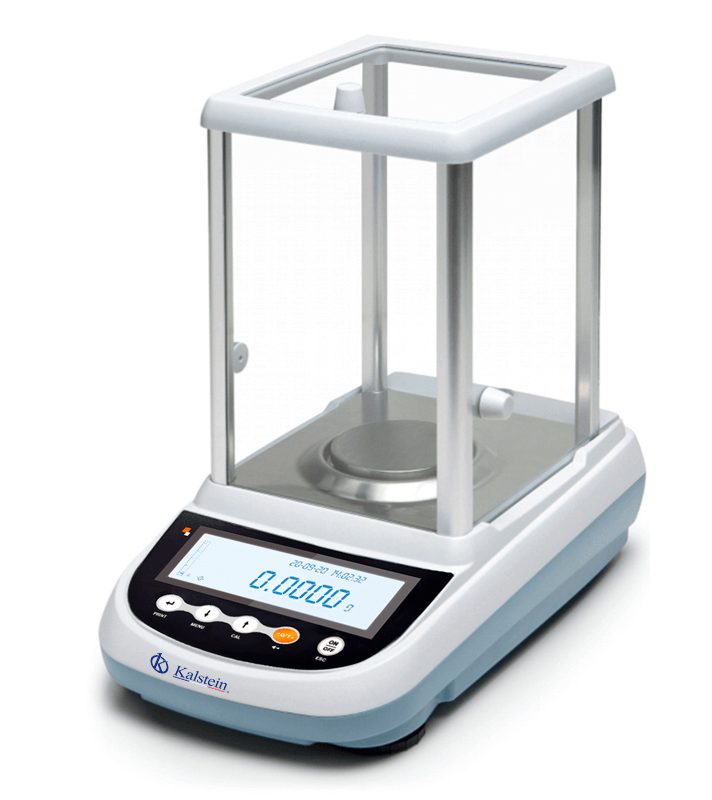
Comparative Analysis of Analytical Balances: Understanding Market Alternatives
In the realm of laboratory precision, analytical balances stand out as essential tools for accurate measurement. This article delves into a comparative analysis of various models within the analytical balance category, focusing on their performance, features, and applications against alternative technologies.
Understanding Analytical Balances and Their Role
Analytical balances are precision instruments designed to measure mass with high accuracy and minimal error. They play a critical role in various fields, including pharmaceuticals, chemistry, and research. The significance of selecting the right analytical balance cannot be overstated, as inaccuracies can lead to erroneous results and impact scientific validity.
Comparison of Available Models
| Model | Capacity (g) | Resolution (g) | Price (USD) | Best For |
|---|---|---|---|---|
| YR05568 | 220 | 0.1 mg | 790.00 | General laboratory use |
| YR05569 | 310 | 0.1 mg | 825.00 | Research applications |
| YR05570 | 410 | 0.1 mg | 1080.00 | Pharmaceutical labs |
| YR05571 | 510 | 0.1 mg | 1125.00 | Academic research |
| YR05572 | 610 | 0.1 mg | 1240.00 | Specialized testing |
| YR05573 | 100 | 0.0001 g | 325.00 | Jewelry and precision applications |
Key Features of Analytical Balances
Each analytical balance model comes equipped with specific features that cater to different applications. For instance, the YR05573 model offers a unique feature set, such as auto internal calibration and a touchscreen interface, which enhances ease of use in high-precision tasks. Meanwhile, models like the YR05568 focus on stability and rapid response, essential for environments where temperature fluctuations are a concern.
Performance Metrics: Evaluating Accuracy and Precision
When comparing analytical balances, performance metrics such as accuracy, precision, and stability are crucial. For instance, the YR05570 model achieves a repeatability of 0.1 mg within its specified capacity, making it suitable for sensitive tasks in pharmaceutical laboratories. In contrast, the YR05569 model, with a similar resolution, offers extended capacity, making it versatile for various research applications.
Calibration Considerations for Analytical Balances
Calibration plays a vital role in ensuring the accuracy of measurements. Models such as the YR05568 and YR05570 feature automatic internal calibration, which is essential for maintaining precision over time. Regular calibration schedules should be established to prevent drift and ensure compliance with laboratory standards.
Common Mistakes and How to Avoid Them
Laboratory professionals often overlook the importance of environmental conditions on balance performance. Placing an analytical balance near drafts, vibrations, or direct sunlight can lead to inaccurate readings. Additionally, not following the manufacturer's guidelines for calibration and maintenance can result in significant measurement errors. Always ensure proper calibration and placement to achieve optimum results.
Understanding the Cost-Effectiveness of Analytical Balances
When assessing the investment in an analytical balance, one must consider both capital expenditure (CAPEX) and operational expenditure (OPEX). For instance, the YR05573 is priced at only $325, making it an excellent entry-level option for precision applications. In contrast, higher-end models like the YR05572 may offer advanced features that justify their price through improved throughput and accuracy.
Frequently Asked Questions
What are the key features of the YR05568 analytical balance?
The YR05568 analytical balance features internal calibration, a capacity of 220 grams, and a resolution of 0.1 mg, making it ideal for general laboratory use.
How does the YR05573 model compare in terms of precision?
The YR05573 offers exceptional precision with a readability of 0.0001 g and is well-suited for high-precision applications such as jewelry weighing.
What is the recommended calibration frequency for analytical balances?
Analytical balances should ideally be calibrated daily or before each use to ensure accuracy, particularly models like the YR05570, which are sensitive to environmental changes.
Which analytical balance is best for pharmaceutical applications?
The YR05570 model, with its 410 grams capacity and high precision, is particularly suited for pharmaceutical applications where accurate measurements are critical.
How do I maintain the accuracy of an analytical balance?
To maintain accuracy, ensure regular calibration, avoid placing the balance near drafts, and perform routine cleaning. The YR05568 has automatic calibration features that aid in this process.
What is the cost of high-precision analytical balances like YR05572?
The YR05572 analytical balance is priced at $1240 and offers high performance and capacity, making it a worthwhile investment for laboratories needing precise measurements.
What factors should I consider when choosing an analytical balance?
Consider factors such as capacity, resolution, calibration features, and specific applications. Models like the YR05569 are great for varying research needs due to their additional capacity.
How can I integrate an analytical balance with LIMS?
Many analytical balances, including the YR05573, support RS232 and USB connections, making them compatible for integration with Laboratory Information Management Systems (LIMS).
If you are looking for a fusion of innovation and quality, you have come to the right place. At Kalstein, we offer you the luxury of exploring our exclusive catalog of laboratory equipment. We manufacture every device to the highest standards of excellence. Our intuitive and seamless online purchasing channels are designed for your convenience, securing the most competitive prices. Hesitate no longer — we bring science to life, it is time to become part of our community.