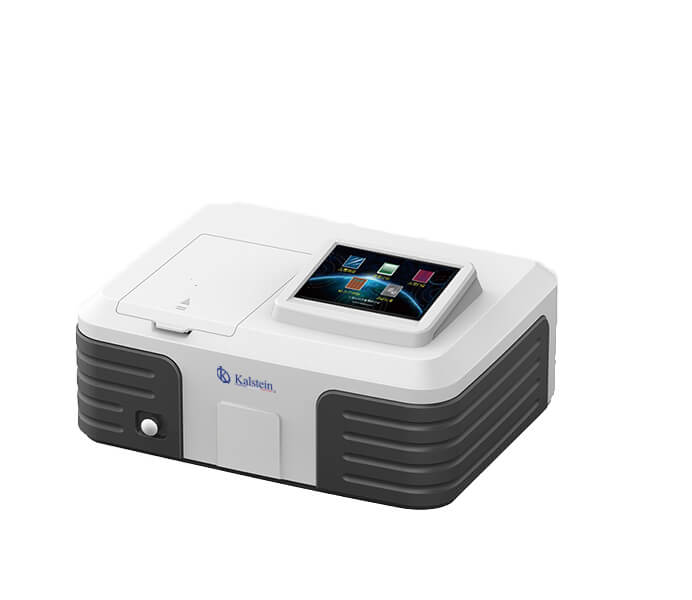
Common Mistakes and How to Avoid Them in Daily Operation of Double Beam Spectrophotometers 2026
What is it used for in 2026
Double beam spectrophotometers are widely utilized in laboratories for a range of applications including quantitative analysis, DNA/protein testing, and multi-wavelength analysis. They are essential tools for researchers aiming to gain accurate measurements of light absorption and transmission in various samples.
History and evolution of the technology
The development of double beam spectrophotometers marked a significant advancement in analytical chemistry. Initially, single beam models dominated, but as the need for accuracy increased, double beam technology emerged to minimize the effects of fluctuations in light source intensity. This evolution has led to enhanced precision and reliability in spectral measurements.
How to use it step by step
Using a double beam spectrophotometer involves several crucial steps:
- Calibration: Use a standard solution to calibrate the instrument, ensuring accurate wavelength and photometric readings.
- Sample Preparation: Prepare samples according to the specific requirements of your analysis to avoid contamination.
- Settings Adjustment: Adjust the wavelength and set the parameters for the analysis you plan to undertake.
- Measurement: Place the sample in the light path and initiate the measurement process.
- Data Recording: Save and analyze the data, ensuring to document all necessary information for reproducibility.
Best techniques and protocols
Adopting best practices is essential for obtaining reliable results. Utilize protocols such as:
- Routine calibration to maintain accuracy.
- Use of appropriate sample cells to prevent light interference.
- Consistent sample handling techniques to mitigate errors.
Practical applications by laboratory type
Double beam spectrophotometers find applications across various laboratory settings:
- Chemistry Labs: For analyzing chemical compounds and reactions.
- Biotech Labs: In conducting protein and nucleic acid quantifications.
- Environmental Labs: For measuring pollutants and contaminants in samples.
Regulations, standards and certifications
It is vital for laboratories to comply with regulations and standards such as ISO and GLP to ensure the reliability and quality of results obtained from double beam spectrophotometers. Maintaining certifications guarantees that the equipment meets the required safety and operational standards.
Comparison with alternative technologies
Alternative technologies like single beam spectrophotometers and other optical instruments may offer some advantages but often lack the stability and accuracy provided by double beam systems. The dual path design of double beam spectrophotometers effectively cancels out fluctuations, making them superior for precise measurements.
Comparison of available models
| Model | Best for | Key specs | Recommended use case |
|---|---|---|---|
| YR01858 | General photometric measurements | 320-1100 nm, ±0.3% T | Standard laboratory analysis |
| YR01862 | High stability applications | 190-1100 nm, ±0.1nm | Advanced biochemical testing |
| YR01862-1 | Comprehensive spectral analysis | 190-1100 nm, 1.0 nm | Environmental monitoring |
| YR01862-2 | Research laboratories | 190-1100 nm, 0.5 nm | High-precision research |
| YR01864 | Routine quality control | 190-1100 nm, 1.0 nm | Pharmaceutical analysis |
| YR01865 | Complex sample testing | 190-1100 nm, 0.5 nm | Food safety testing |
Common mistakes and how to avoid them
Common mistakes in the operation of double beam spectrophotometers include:
- Inadequate calibration: Always perform calibration before measurements to ensure accuracy.
- Sample contamination: Handle samples with clean instruments and avoid cross-contamination.
- Not following protocols: Adhere to established protocols for sample preparation and measurement procedures.
Maintenance, calibration and good practices 2026
Regular maintenance is crucial for optimal performance. Follow these practices:
- Schedule weekly calibration checks to maintain accuracy.
- Clean optical components regularly to prevent contamination.
- Train staff on proper operating procedures to minimize errors.
Cost-benefit analysis 2026
Investing in double beam spectrophotometers offers significant benefits, including:
- High accuracy leading to reliable results.
- Versatility in application across various lab types.
- Long-term savings through reduced need for retesting due to accuracy.
Frequently asked questions
What should I consider when choosing a double beam spectrophotometer?
Consider the wavelength range, photometric precision, sample type, and specific applications you will be using it for when selecting a model.
How often should I calibrate my spectrophotometer?
Calibration should be performed before each measurement session to ensure accurate results, especially when analyzing critical samples.
Can I use different types of cuvettes in my spectrophotometer?
Yes, you can use different cuvette types, but it’s important to select one that matches the specifications required for your analysis to avoid errors.
What are the most common errors when using a spectrophotometer?
Common errors include improper calibration, sample contamination, and incorrect measurement settings which can all lead to inaccurate results.
How do I maintain my equipment effectively?
Regular cleaning, proper storage, and adherence to operating protocols are essential for the maintenance of spectrophotometers.
What are the typical applications of double beam spectrophotometers?
They are typically used in fields like biochemistry for protein analysis, environmental monitoring for pollutants, and chemistry for compound analysis.
Where can I find more information or request a quote?
You can request a quote and explore further information through our inquiry platforms.
If you are looking for a fusion of innovation and quality, you have come to the right place. At Kalstein, we offer you the luxury of exploring our exclusive catalog of laboratory equipment. We manufacture every device to the highest standards of excellence. Our intuitive and seamless online purchasing channels are designed for your convenience, securing the most competitive prices. Hesitate no longer — we bring science to life, it is time to become part of our community.