Essential Biosafety Protocols and Safe Operator Management in Laboratories
Safety in laboratory environments is critical to ensuring the health of operators and the integrity of experiments. This article focuses on essential biosafety protocols that every laboratory should adopt, particularly regarding the management of operators when using pipettes and laboratory instruments. With increasing regulations and standards, understanding these protocols is essential for any laboratory professional.
Biosafety Overview in Laboratory Settings
Biosafety is the discipline that focuses on preventing biological risks in laboratories. It encompasses the practices, equipment, and facilities needed to protect laboratory personnel and the surrounding community. By implementing robust biosafety protocols, laboratories can prevent contamination, exposure to hazardous materials, and other potential risks. These protocols are critical when handling biological specimens, chemicals, and equipment.
Understanding Biosafety Levels
Laboratories are categorized into different biosafety levels (BSLs) based on the agents they handle. BSL-1 is for agents that pose minimal risk, while BSL-4 involves highly dangerous agents. Each level requires specific containment measures, including laboratory design, equipment, and procedural practices. It’s vital for laboratory professionals to be familiar with these levels to ensure compliance and safety.
Key Biosafety Protocols
Implementing standardized biosafety protocols is essential for laboratory operations. These protocols may include:
- Proper use of personal protective equipment (PPE)
- Regular equipment calibration and maintenance
- Safe handling and disposal of biohazardous waste
- Emergency response plans for spills or exposure incidents
For instance, using pipettes like the Fluid Handling Pipettes YR03731-1, which can be sterilized at 121 °C, minimizes the risk of contamination during experiments.
Operator Management and Safety Training
Training laboratory personnel on biosafety protocols is crucial. Regular training sessions should cover the correct use of equipment, emergency procedures, and safe handling of materials. This ensures that operators are prepared and compliant with biosafety standards. Continuous education helps maintain a culture of safety and awareness within the lab environment.
Choosing the Right Laboratory Equipment for Safety
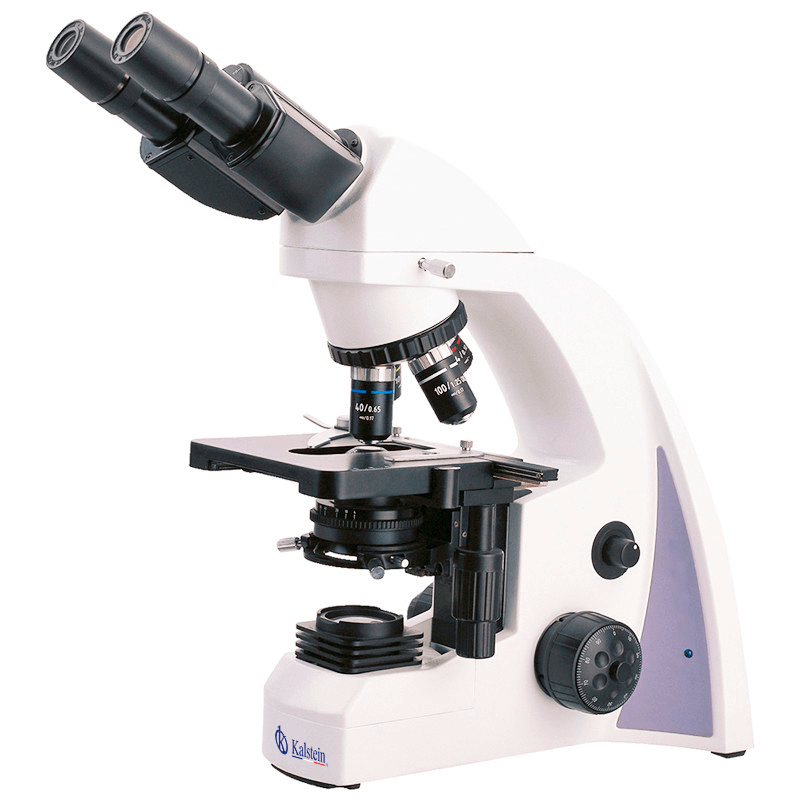
Laboratory equipment plays a vital role in ensuring operator safety. Equipment should be user-friendly, ergonomic, and compliant with biosafety standards. For example, the Laboratory Microscope YR0237-0-1 offers adjustable features that enhance usability while maintaining safety protocols during operation. Proper selection of pipettes, such as the Fluid Handling Pipettes series, also ensures accuracy and safety in liquid handling.
Comparison of Available Models
| Model | Application | Best For | Price (USD) |
|---|---|---|---|
| YR0237-0-1 | Binocular Microscope with versatile optics | General laboratory use | 437.00 |
| YR0237-1 | Advanced microscopy with improved focus control | Detailed biological analysis | 491.00 |
| YR03731-1 | Fixed volume pipette with low operational force | Precise liquid handling | 13.00 |
| YR03731-2 | Robust design for various volumes | Versatile laboratory applications | 13.00 |
| YR03731-3 | Air displacement pipette with color-coded volume | Ergonomic liquid transfer | 13.00 |
Common Mistakes and How to Avoid Them
Laboratory professionals often make mistakes that can jeopardize safety. Common mistakes include:
- Inadequate training on equipment usage
- Neglecting regular safety audits
- Using inappropriate PPE
To avoid these, labs should establish a culture of safety, conduct regular training sessions, and ensure that all personnel are aware of the latest biosafety protocols.
Frequently Asked Questions
What are the necessary biosafety protocols for using pipettes safely?
To use pipettes such as YR03731-1 safely, follow biosafety protocols including wearing appropriate PPE, ensuring equipment sterilization at 121 °C, and training operators in safe handling practices. Such measures minimize contamination risks and protect laboratory personnel.
How does using ergonomic pipettes improve operator safety in labs?
Using ergonomic pipettes like the YR03731-2 reduces strain on the operator, which enhances safety and efficiency. Proper ergonomics can prevent repetitive strain injuries and ensures accuracy in liquid handling, contributing to a safer work environment.
Which biosafety guidelines should laboratories follow for effective operator training?
Laboratories should adhere to guidelines set forth by regulatory bodies, ensuring all personnel receive comprehensive training on equipment use, emergency protocols, and biosafety practices. Regular refresher courses will help maintain high safety standards.
What role do safety audits play in laboratory operations?
Safety audits help identify potential hazards and ensure compliance with biosafety protocols. By conducting these audits regularly, laboratories can mitigate risks associated with equipment such as the Laboratory Microscope YR0237-1 and improve overall safety and efficiency.
How can laboratories ensure compliance with biosafety levels?
Laboratories can ensure compliance with biosafety levels by following strict protocols, investing in appropriate equipment, and conducting regular training sessions for all personnel. Equipment like the Fluid Handling Pipettes series assists in maintaining safety standards.
What are best practices for handling biohazardous materials in laboratories?
Best practices include wearing proper PPE, using designated containment equipment, and disposing of waste according to biosafety regulations. Training operators on these practices is essential for compliance and safety during laboratory operations.
How often should laboratory equipment be calibrated for safety?
Calibration schedules depend on usage and manufacturer recommendations, but generally, it should occur at least annually. Regular calibration ensures devices like the YR0237 models remain accurate and safe for use in laboratory environments.
What steps can labs take to create a culture of biosafety?
Creating a culture of biosafety involves regular training, promoting safety awareness, integrating biosafety into operations, and encouraging open communication about safety concerns. This cultural shift enhances overall safety and compliance in laboratory settings.
If you are looking for a fusion of innovation and quality, you have come to the right place. At Kalstein, we offer you the luxury of exploring our exclusive catalog of laboratory equipment. We manufacture every device to the highest standards of excellence. Our intuitive and seamless online purchasing channels are designed for your convenience, securing the most competitive prices. Hesitate no longer — we bring science to life, it is time to become part of our community.