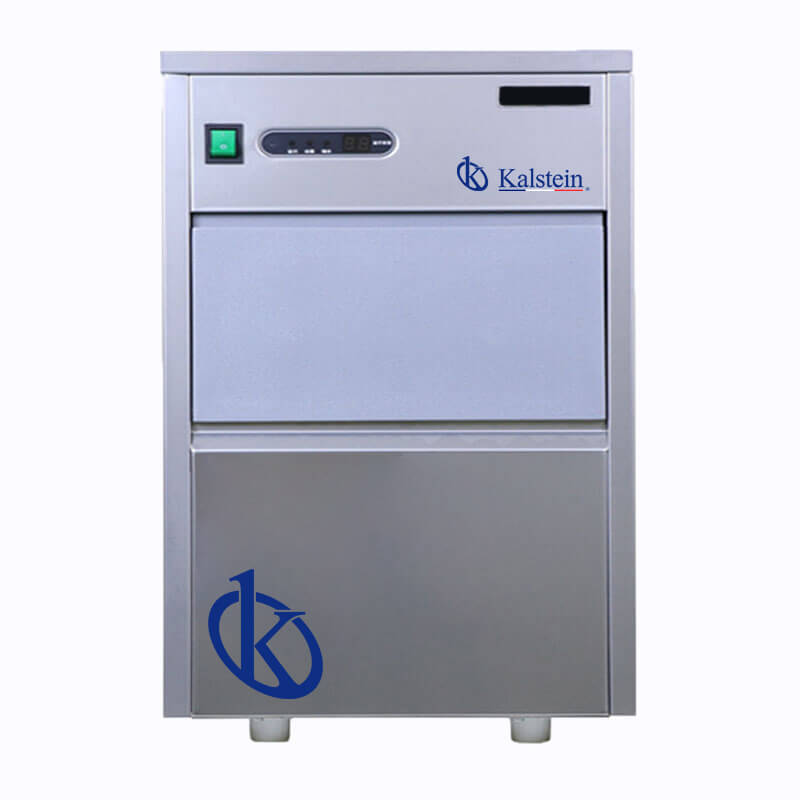
Biosafety Protocols and Safe Operator Management for Ice Machines
In laboratory environments, the utilization of ice machines is critical for various applications, including biological, chemical, and medical laboratories. Adhering to biosafety protocols and ensuring safe operator management practices is crucial to prevent contamination and maintain a safe working environment. This article delves into the essential biosafety protocols applicable to ice machines, their operational management, and a thorough comparison of different models available in the market.
Understanding Biosafety Protocols in Ice Machine Usage
Biosafety protocols are designed to protect laboratory personnel, the environment, and the community from potential hazards associated with laboratory activities. In the context of ice machines, it is vital to recognize that these machines can become a source of contamination if not managed properly. This section outlines the key biosafety levels (BSL) relevant to the use of ice machines, along with best practices for ensuring safe operation.
Key Biosafety Levels Relevant to Ice Machines
Ice machines are often used in laboratories operating under different biosafety levels, ranging from BSL-1 to BSL-4. Each level has specific requirements regarding containment and operator safety. For instance, BSL-2 environments utilize ice machines for handling moderately hazardous materials, necessitating strict hygiene practices and equipment maintenance. Regular decontamination of surfaces and proper storage of ice are essential practices to mitigate risks.
Implementing Safe Operator Management Practices
Operator management practices are integral to ensuring biosafety in laboratories using ice machines. This includes training operators on the specific hazards associated with ice production and handling, the importance of personal protective equipment (PPE), and the protocols for decontamination and maintenance. Regular training sessions should be conducted to ensure that all personnel understand the potential risks and best practices for safety.
Comparison of Available Models
| Model | Production Capacity (kg/24h) | Ice Storage (kg) | Power (W) | Best For |
|---|---|---|---|---|
| YR05130 | 20 | 10 | 280 | Small laboratories requiring limited ice production |
| YR05131 | 30 | 10 | 300 | Medium-sized laboratories focusing on clinical applications |
| YR05132 | 40 | 15 | 360 | Laboratories needing moderate ice storage for multiple experiments |
| YR05133 | 50 | 15 | 380 | Higher demand laboratories with various applications |
| YR05134 | 60 | 25 | 420 | Large laboratories managing extensive ice requirements |
| YR05135 | 70 | 25 | 460 | Comprehensive laboratories with high ice production needs |
Common Mistakes and How to Avoid Them
When operating ice machines in laboratory settings, there are several common mistakes that can compromise biosafety and operational efficiency. One frequent error is neglecting regular maintenance and cleaning of machines, which can lead to bacterial growth and contamination. Laboratories must establish a routine maintenance schedule and ensure operators are trained in proper cleaning procedures.
Another common mistake is inadequate operator training regarding the use of PPE and contamination protocols. Laboratories should implement comprehensive training programs to educate personnel about the risks associated with ice handling and the appropriate safety measures. Additionally, failing to adhere to the specific biosafety level requirements and protocols can jeopardize the laboratory's safety. It's essential to continually review and update biosafety protocols as needed.
Frequently Asked Questions
What biosafety protocols should be followed when using ice machines in laboratories?
Biosafety protocols are crucial when using ice machines like the YR05130 in laboratories. These protocols include training operators on personal protective equipment (PPE), maintaining equipment cleanliness, and adhering to specific biosafety levels for different laboratory settings to prevent contamination and ensure safe operation.
How does the YR05131 ice machine support safe operation in clinical labs?
The YR05131 ice machine supports safe operation in clinical labs by featuring high-quality stainless steel construction that prevents corrosion and ensures durability. Its automated ice-making process reduces manual handling, thus minimizing contamination risks while also meeting health and safety standards.
What maintenance practices are essential for ice machines like the YR05134?
Essential maintenance practices for ice machines like the YR05134 include regular cleaning, checking the refrigeration system, and ensuring proper drainage to prevent bacterial growth. Establishing a maintenance schedule and documenting service history helps maintain safety and operational efficiency in the laboratory environment.
How can I ensure my ice machine complies with biosafety standards?
To ensure compliance, regularly review the biosafety standards applicable to your laboratory setup. For instance, ice machines like the YR05132 should be operated following specific protocols, including the decontamination of components and regular audits of operational procedures to align with safety regulations.
Which ice machine model is best for high-volume laboratory settings?
The YR05135 is an excellent choice for high-volume laboratory settings, producing up to 70 kg of ice per 24 hours. Its robust design and high power ensure reliable performance, meeting the demands of comprehensive laboratories requiring substantial ice production for various applications.
What are the risks of improper ice machine usage in laboratories?
Improper usage of ice machines, such as neglecting cleaning protocols, can lead to contamination and exposure risks for operators. This is particularly true in sensitive environments using machines like the YR05130, where the potential for bacterial growth can compromise laboratory results and safety.
What safety equipment is recommended for operators of ice machines?
Operators of ice machines, such as the YR05134, should utilize personal protective equipment (PPE) including gloves, goggles, and lab coats to minimize exposure to hazards. Adequate training in PPE usage is essential to ensure operators are protected during ice handling and machine maintenance.
How do the design features of YR05136 improve operator safety?
The YR05136 features compact design and high-quality materials that enhance operator safety by reducing the risk of accidents. Its automated ice-making process minimizes manual handling, and the accessible design allows for easier cleaning and maintenance, ensuring a safer laboratory environment.
If you are looking for a fusion of innovation and quality, you have come to the right place. At Kalstein, we offer you the luxury of exploring our exclusive catalog of laboratory equipment. We manufacture every device to the highest standards of excellence. Our intuitive and seamless online purchasing channels are designed for your convenience, securing the most competitive prices. Hesitate no longer — we bring science to life, it is time to become part of our community.