
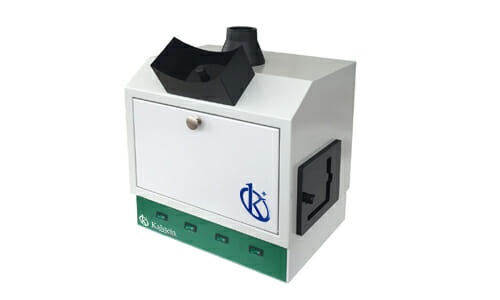
Transilluminator, Kalstein Brand
If you’re delving into the world of laboratory equipment, chances are you’ve encountered the name “Kalstein,” an increasingly trusted brand known for its cutting-edge technology and dedication to quality. At the heart of their offerings, the Kalstein Transilluminator stands out as a critical instrument in various research and medical applications, particularly those involving the visualization of nucleic acids and proteins.
A distinguishing feature of Kalstein’s products is their meticulous attention to detail and innovation, resulting in cutting-edge laboratory essentials that cater to advanced scientific research. The transilluminator from Kalstein exemplifies this commitment, standing as a testament to the brand’s understanding of laboratory researchers’ nuanced needs. Praised in reviews for its reliability and robust design, this tool supports many laboratory tasks with remarkable efficiency and accuracy.
Features of the Transilluminator
The Kalstein Transilluminator offers several standout features, elevating it as a preferred choice amongst laboratory professionals. One of its most notable features is its advanced illumination technology, which ensures even light distribution for accurate visualization. This feature is crucial in enhancing the quality and clarity of gel electrophoresis bands, ultimately impacting the precision of data interpretation.
Moreover, certain models of the transilluminator include adjustable UV intensity levels, allowing users to customize their work environment according to their specific needs. This kind of flexibility is advantageous for experiments that require varying exposure levels, as it protects samples from potential damage due to excessive UV exposure while ensuring adequate illumination.
Different Types or Models of the Transilluminator
Understanding that laboratory needs can vary, Kalstein has developed different models of transilluminators to suit diverse applications. These models vary not just in design but in function and capacity, allowing users to select options that best align with their specific research requirements. Some models are compact and portable, ideal for laboratories where space-saving is a priority, while others are designed for high-volume, industrial applications.
Additionally, the transilluminator range by Kalstein includes models with varying light sources such as UV and blue light, catering to different nucleic acid staining requirements. This versatility in model options means that researchers can choose a transilluminator that provides an optimal balance between performance, compatibility, and budget.
Why does the Transilluminator have this price?
The pricing of Kalstein’s Transilluminators reflects a combination of quality, technological advancements, and durable construction. Several factors influence its cost, including the incorporation of state-of-the-art lighting technology and robust materials designed to withstand rigorous laboratory conditions. This ensures longevity and reliability, which are crucial in minimizing downtime in scientific research.
When comparing prices, it’s important to consider the transformational impact that a reliable transilluminator can have on research accuracy and throughput. The balance Kalstein strikes between affordability and quality makes their transilluminators a great investment for laboratories seeking dependable equipment without compromising their budget allocations for other essential resources.
Compare the Transilluminator with Similar Products
When evaluating the Kalstein Transilluminator against similar products in the market, a few names come to mind. **Thermo Fisher Scientific**, for instance, offers models such as their Safe Imager™ Blue-Light Transilluminator. While Thermo Fisher is renowned for its brand prestige, their transilluminators tend to fall on the upper spectrum of pricing, reflecting their market positioning as premium solutions.
Another notable competitor, **Bio-Rad Laboratories**, presents models like their ChemiDoc systems. Bio-Rad’s emphasis is on high-end imaging capabilities, often bundling their transilluminator offerings with additional software and camera systems. Although comprehensive, these options may come with a steeper learning curve and higher costs. **Edvotek** also competes with offerings that focus on education and versatility for various scientific explorations, offering budget-friendly models at the cost of some advanced features.
Pros and Cons of the Transilluminator
| Pros | Cons |
|---|---|
| Uniform and high-intensity lighting | May require frequent maintenance |
| Adjustable light intensity | Limited color options depending on the model |
| Durable and robust design | Initial setup can be complex |
| Multiple model options to fit different needs | Higher price point than some entry-level models |
| Supports varied applications (UV, blue light, etc.) | UV exposure requires safety precautions |
| User-friendly operation | Slightly heavier due to solid construction |
| Good balance between cost and quality | May require accessory purchases for specific applications |
| Backed by reliable customer support |
Usage Benefits of These Transilluminators
The primary benefit of Kalstein Transilluminators arises from their ability to deliver exceptional imaging clarity for various applications. This is especially relevant in DNA and protein gel electrophoresis, where researchers require tools that enable precise band visualization and documentation. Enhanced documentation capabilities lead to improved research accuracy, allowing scientists to draw meaningful conclusions from their experiments.
Another advantage is their adaptability across several domains, from basic research and clinical applications to teaching environments. The equipment’s ease of use makes it accessible for users with varying degrees of technical expertise, facilitating a seamless integration into existing lab workflows. Moreover, the potential to minimize sample damage via adjustable intensity further positions these transilluminators as versatile assets in any laboratory setting.
Other Advantages of the Transilluminator
Aside from its core functional benefits, the Kalstein Transilluminator also offers durability that ensures a long life span, delivering continuous performance even after extensive usage. The solid build-quality speaks to the consideration Kalstein gives to crafting equipment that withstands the test of time and lab conditions.
Furthermore, Kalstein provides robust customer support, ensuring that users can maximize their equipment’s potential. Whether it’s technical assistance or assistance with setup or parts replacement, their responsive team is noted for being a reliable resource, contributing to a hassle-free experience. Investing in such support is invaluable, especially for busy labs where equipment downtime can significantly disrupt operations.
User Testimonials About the Transilluminator
A recurring theme in the feedback from users of Kalstein Transilluminators is their satisfaction with the product’s reliability and performance. Many researchers have highlighted the tool’s uniform lighting, which crucially aids in producing clear images of electrophoresis gels. Such feedback is integral to establishing trust and credibility, with numerous researchers vouching for the equipment’s effectiveness in boosting their work productivity.
Another aspect lauded in user reviews is the flexibility offered by its adjustable light settings. Several laboratory professionals mention using this feature to protect samples during extended observation or multi-step processes. Moreover, users appreciate the attention to usability and the straightforward interface, which promotes an efficient and stress-free experience.
Frequently Asked Questions
How does a transilluminator work?
A transilluminator operates by using LED or UV light to illuminate samples, such as nucleic acid gels. The light allows researchers to view and analyze the bands formed during gel electrophoresis.
Are there safety concerns when using a transilluminator?
Yes, safety precautions should be taken, especially with UV models. Users should employ protective gear, such as UV-blocking glasses, and minimize direct exposure to the light source.
What types of samples can be analyzed using the transilluminator?
The transilluminator is primarily used for visualizing nucleic acid and protein samples, commonly stained to indicate the presence of specific molecules after separation through electrophoresis gels.
How do I choose the right transilluminator model for my needs?
Choosing the right model depends on your specific application, space availability, and budget. Consider factors such as the light source type (UV or blue light), intensity adjustability, and the size that suits your laboratory setup.
What maintenance does a transilluminator require?
Regular maintenance typically involves cleaning the surface to prevent damage and ensuring that light bulbs or LEDs are functioning correctly. It’s vital to follow the manufacturer’s guidelines for optimal maintenance routines.
Is customer support available for the Kalstein Transilluminator?
Yes, Kalstein provides comprehensive customer support to assist with any queries or technical assistance needed to ensure optimal product performance and satisfaction.
Final Recommendations About These Transilluminators
Kalstein Transilluminators are a sound investment for any laboratory seeking reliable imaging tools that enhance the precision of nucleic acid and protein analysis. Their range of models caters to diverse needs, and their focus on quality ensures long-term usability. Users can expect consistent performance, backed by an attentive customer support system to address any challenges. With its proven track record and positive user testimonials, these transilluminators are undoubtedly a valuable addition to any scientific setup. For more details, visit https://kalstein.pt/category-product/laboratory-line/transilluminator/.