
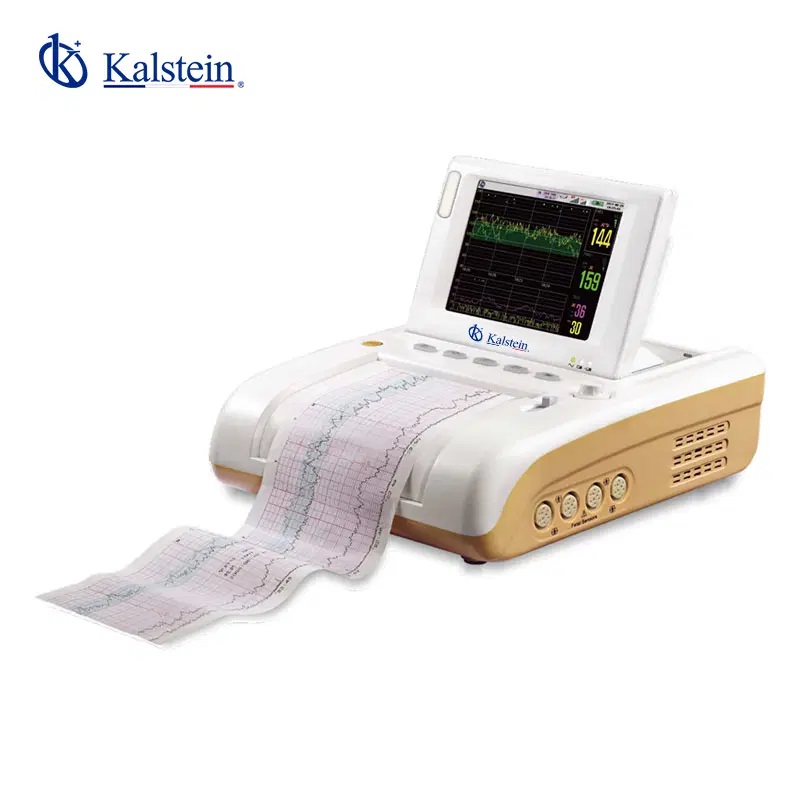
Patient Monitor, the Kalstein Brand
I’ve had my fair share of experiences with different patient monitors during my years in medical practice, yet few have stood out as significantly as the Kalstein Patient Monitors. They are known for their reliability and precision, two attributes that are essential in critical healthcare settings. With each use, I have found that these monitors offer an excellent balance of functionality and user-friendly design. While patient care involves numerous variables, having a dependable patient monitor simplifies a significant part of that complexity. From initial assessment through to intensive care scenarios, these monitors have proven to be trustworthy allies.
One of the aspects that users have consistently appreciated about Kalstein monitors is their precision and the clarity of display. The accuracy they offer is instrumental in making informed decisions swiftly. This capability is further amplified by the seamless integration with other healthcare technologies ensuring fluid communication across devices. Not only do these monitors afford peace of mind to healthcare professionals like myself, but they also contribute significantly to patient safety by ensuring timely and accurate monitoring.
Features of the Patient Monitor
The features of the Kalstein Patient Monitor are designed to meet a wide range of patient monitoring needs. Whether you are monitoring vital signs, such as blood pressure, heart rate, or oxygen saturation, these units provide comprehensive data display options that are intuitive and easily interpretable. The high-resolution touchscreen is a highlight, offering a vivid and detailed view, which makes monitoring and diagnosing straightforward.
Another noteworthy feature is the modularity of the monitors. They are engineered to adapt to diverse clinical environments, allowing for customization based on specific patient requirements or healthcare settings. This flexibility makes them suitable for use in various wards within a hospital, including surgery, ICU, and emergency departments.
Different Types or Models of the Patient Monitor
Kalstein offers a variety of models within their line of patient monitors, each designed to serve different medical contexts. From basic models that cover essential monitoring to more advanced systems catering to specialized needs, the range is comprehensive. For instance, the high-performance models accommodate a wider array of parameters and feature enhanced connectivity options that are crucial in complex medical procedures.
The diversity in models ensures that there is an appropriate option available for every medical setting, be it for stationary hospital environments or more mobile applications like ambulances or even during patient transport within large healthcare facilities. This versatility ensures seamless monitoring irrespective of the location or situation.
Why is the Patient Monitor Priced This Way?
The pricing of Kalstein Patient Monitors is reflective of their quality and the technological advancements they incorporate. From my perspective, the cost is justified not only by the durability and reliability offered but also through the comprehensive service and support package included. Investing in these monitors means placing trust in a product that has been rigorously tested and proven across various medical conditions and environments.
Moreover, the cost is amortized over the lifespan of the product, thanks to its robust construction and the minimal need for repairs or replacements. The long-term benefits, coupled with the upfront cost, position these monitors as a valuable investment for any healthcare provider prioritizing precision and dependability.
Comparing the Patient Monitor with Similar Products
When comparing Kalstein Patient Monitors with other brands such as Philips Healthcare, GE Healthcare, and Mindray, certain distinctions become apparent. What stands out with Kalstein is their adaptability and focus on user-centric designs. While Philips offers exceptional integration systems, Kalstein balances this with customizable interfaces that cater to specific medical protocols without the complexity sometimes associated with Philips models.
GE Healthcare is renowned for its durability and technological innovation, yet Kalstein offers similar advancements at a more competitive price point, particularly appealing to facilities mindful of budget constraints. On the other hand, while Mindray provides economically viable options, Kalstein exceeds in delivering a broader spectrum of advanced features, ensuring comprehensive monitoring capabilities in a single package.
Pros and Cons of the Patient Monitor
| Pros | Cons |
|---|---|
| High accuracy in data measurement. | Initial setup can be time-consuming. |
| Modular and customizable to various clinical needs. | Potentially higher upfront cost. |
| Reliable integration with existing systems. | Requires training for optimal use. |
| Comprehensive service package included. | Could be over-featured for basic needs. |
| Durable build reducing long-term costs. | Compatibility limitations with older equipment. |
| User-friendly interface reduces learning curve. | Software updates needed periodically. |
| Flexible deployment options across various settings. | |
| Enhanced connectivity features for better data sharing. |
Benefits of Using These Patient Monitors
Using the Kalstein Patient Monitors offers numerous benefits, the most significant being patient safety and the peace of mind it brings to healthcare professionals. The continuous and precise monitoring allows for early detection of any anomalies, enabling prompt medical intervention. This level of vigilance is crucial in acute and critical care settings.
Additionally, the efficiency gained from these monitors streamlines clinical workflows. By minimizing manual processes and ensuring seamless data transmission to electronic health records (EHRs), it improves the overall efficiency of medical operations, saving valuable time for healthcare providers.
Other Advantages of the Patient Monitor
The flexibility of the Kalstein Patient Monitors is a significant advantage. They can be deployed across different medical environments without compromising on performance, whether in static use within a hospital or in mobile scenarios. This adaptability ensures continuous monitoring, regardless of patient movement.
Their design also supports future upgrades, allowing integration with new technologies as they become available. This forward-thinking approach ensures that the monitors remain relevant and avoid obsolescence, ensuring a better return on investment over time.
User Reviews About the Patient Monitors
Several users have shared positive experiences with Kalstein Patient Monitors, highlighting their reliability and ease of use. Many appreciate the clear, visual interface which simplifies patient data interpretation, critical during emergencies when every second counts. Furthermore, the support offered by Kalstein has been praised for its responsiveness and effectiveness, enhancing user satisfaction.
On the flip side, some users have mentioned the adjustment period required to fully exploit the monitor’s capabilities. However, once past this initial phase, the benefits far outweigh the learning curve, with the monitors proving to be indispensable tools in patient management.
FAQs
Can the Patient Monitor be integrated with other medical devices?
Yes, Kalstein Patient Monitors are designed for easy integration with various medical devices, enhancing overall healthcare management.
What kind of customer support does Kalstein provide?
Kalstein offers comprehensive customer support, including installation assistance, troubleshooting, and regular maintenance services.
Are there any training programs available for using these monitors?
Yes, Kalstein provides training sessions to ensure healthcare professionals can utilize all features effectively, optimizing patient care.
How does the Kalstein Patient Monitor ensure data accuracy?
The monitors are equipped with advanced sensors and algorithms that provide precise and reliable measurements, critical for informed decision-making.
What maintenance is required for the Patient Monitors?
Regular software updates and routine calibration checks are recommended to maintain optimal performance and ensure continued accuracy.
Are these monitors suitable for home healthcare settings?
While primarily designed for clinical use, certain models may be adapted for home healthcare, offering flexibility in patient monitoring.
Final Recommendations Regarding These Patient Monitors
In conclusion, Kalstein’s Patient Monitors stand out for their robustness, adaptability, and advanced feature set. They are a compelling choice for any healthcare facility looking to enhance patient care through reliable monitoring solutions. Despite a few challenges, such as the need for training, the overall benefits these monitors bring to the table make them a wise investment for long-term use in diverse clinical settings.
For more detailed information and to explore the various models available, you can visit https://kalstein.pt/category-product/medical-line/patient-monitor/.